
A demand letter in Utah works when it states a clear claim, a specific dollar amount or remedy, and a firm deadline, then gets sent by a trackable method to the right legal address. It fits two situations most often: unreturned security deposits and breach of contract. Gather your documentation first, write the letter in plain factual language, and send it by certified mail with return receipt before you consider small claims court.
TL;DR:
- Demand letters must include a clear claim, specific dollar amount or remedy, and a firm response deadline of 7 to 14 days, sent via certified mail.
- Utah law requires certain statutory forms and methods for security deposit and statutory notice demands to preserve legal rights and remedies.
- Response or silence within 30 days typically leads to preparing for small claims court, with accurate documentation and tracking essential during this period.
- Overstating damages, citing incorrect amounts, or using emotional language can weaken a demand letter and harm your case.
- Handling simple claims like security deposits may be manageable without an attorney, but complex disputes require professional legal guidance to avoid losing remedies.
Table of Contents
- What a demand letter does and when Utah readers need one
- Step-by-step drafting checklist for a Utah demand letter
- Utah rules that can change what your letter must say
- What happens in the 60 days after you send it
- A Utah-ready demand letter template you can adapt
- Common mistakes that weaken a Utah demand letter
- How we evaluate and use demand letters
- DIY or hire an attorney: a straight answer
- How Loayza Law can help with your Utah demand letter
- FAQ
- Sources
What a demand letter does and when Utah readers need one
A demand letter is a formal written notice that states what you are owed, why you are owed it, and when you expect payment or action. It puts the other side on notice, creates a paper trail, and often resolves a dispute before anyone files paperwork in court.
In Utah, we see demand letters used most often in these situations:
- Unpaid invoices or contract balances between individuals or small businesses
- Security deposit disputes with a landlord who withheld funds without an itemized explanation
- Breach of contract claims involving a written or verbal agreement
- Pre-suit personal injury demands sent to an insurance carrier before litigation begins
Some of these are strategic choices. Others, like the security deposit notice, follow a specific statutory form that Utah law requires before certain remedies become available.
Step-by-step drafting checklist for a Utah demand letter
Before you write anything, confirm you are still within your limitation period and that you understand the legal theory behind your claim, whether that is breach of contract, unpaid debt, or a statutory violation. A letter sent after your window closes carries no weight.
Once that is settled, build the letter around these elements:
- Identify both parties by full legal name and address.
- State the relevant dates: when the agreement was made, when the breach or harm occurred, and when you are sending the letter.
- Describe the facts in chronological order, briefly and without embellishment.
- Cite the specific contract clause or legal basis for your claim.
- State your demand precisely: a dollar figure or a specific action.
- Set a deadline for response.
- Explain the next step if the deadline passes, such as filing in small claims court.
Attach or reference your supporting records: invoices, photos, texts, the signed agreement, or correspondence. Keep the tone factual. Speculation about motives or exaggerated damages weakens your credibility if the matter ever reaches a judge.
A response window of 7 to 14 days is common practice among Utah practitioners, though no statute mandates that exact range outside specific notice requirements. Choose a deadline that gives the other party a fair chance to respond without letting the matter drag.
Pro Tip: Send a copy to yourself by email the same day you mail the letter, so you have a timestamped record of the final version.
Utah rules that can change what your letter must say
Utah law occasionally dictates the content and delivery method of a demand before certain remedies apply. Skipping the statutory form does not void your claim, but it can cost you the enhanced relief the law otherwise provides.
- Landlords must return a security deposit or send an itemized deduction notice no later than 30 days after a tenant vacates, and tenants have a statutory five-business-day notice they can serve to demand compliance under Utah Code §57-17-3.
- Failure to comply with that notice can expose a landlord to recovery of the deposit, penalties, and attorney fees under Utah Code §57-17-5, but only when the tenant served the notice correctly.
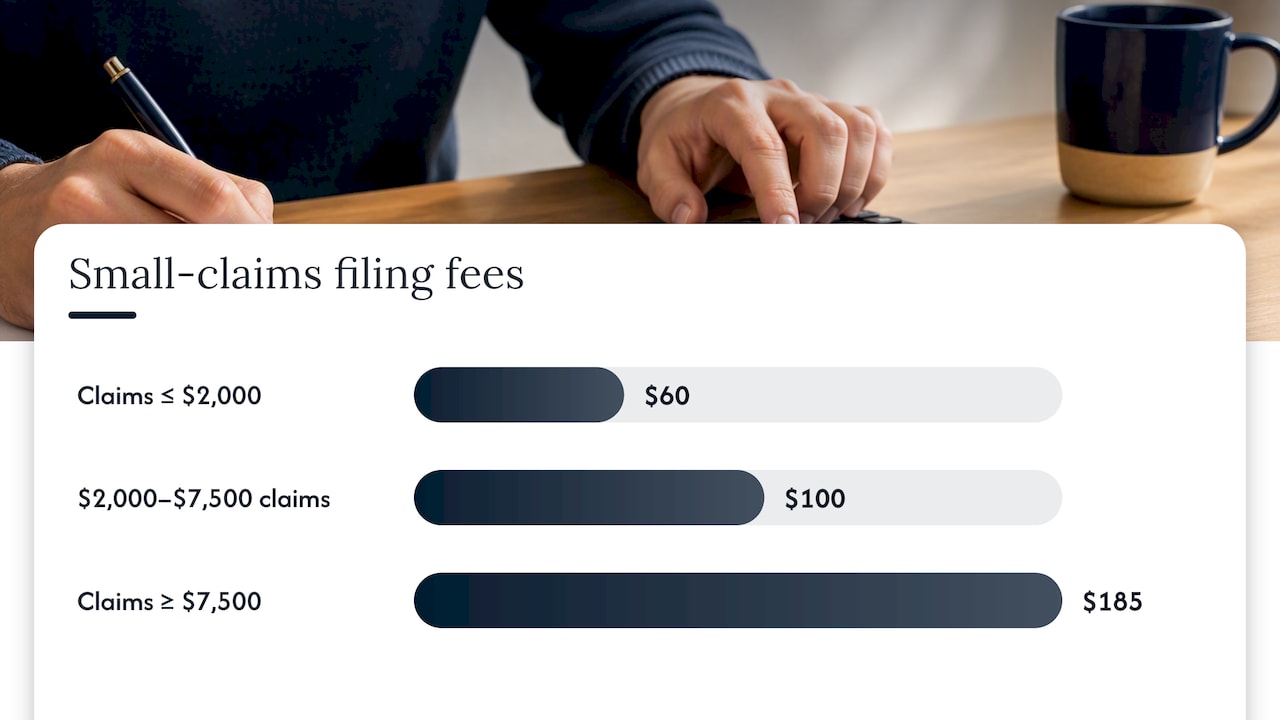
- Small claims court in Utah is designed for quick recovery of modest sums, and the current filing fees run $60 for claims of $2,000 or less, $100 for claims between $2,000 and $7,500, and $185 for claims of $7,500 or more as of May 2026.
Those filing fees are time-sensitive, so confirm the current schedule with your local court before you file anything. Fee tables change, and relying on an outdated figure can delay your case.
Defendants in certain small claims filings must also register for Online Dispute Resolution within 14 days of receiving an affidavit and summons, a deadline that can catch people off guard if they ignore the paperwork.
What happens in the 60 days after you send it
Most responses, or silences, follow a predictable pattern once a demand letter goes out.
- Days 0 to 7: Confirm delivery. Keep your certified mail receipt, tracking number, and a copy of the signed letter in one file.
- Days 7 to 30: This is the window where most negotiation happens. Insurers and defendants often counteroffer, ask for more documentation, or go quiet to see if you follow through. A brief follow-up call or email referencing your deadline keeps pressure on without escalating prematurely.
- Days 30 to 60: If you have heard nothing, or the response is unreasonable, this is when to prepare a small claims affidavit or talk to an attorney about next steps. Note any new deadlines tied to your limitation period before you wait any longer.
Track every date in writing. A missed statutory window can eliminate a remedy you would otherwise have had.
A Utah-ready demand letter template you can adapt
Keep your letter to two pages at most. A longer letter buries the demand and reads as unfocused.
A compact structure looks like this:
- Header: your name and address, date, recipient’s full legal name and address
- Opening line: a one-sentence statement of what you are demanding and why
- Facts: two to four short paragraphs laying out dates, the agreement, and what went wrong
- Demand: the exact dollar amount or remedy requested
- Deadline: a specific date, not “promptly” or “soon”
- Consequence: what happens if the deadline passes, such as filing in small claims court
- Attachments list: invoices, photos, the signed contract, prior correspondence
- Contact information: phone and email for a response
If your claim involves a security deposit, reference the statutory tenant notice under Utah Code §57-17-3 directly in the letter rather than relying on generic demand language. That reference is what preserves your right to penalties and attorney fees if the landlord still fails to comply.
Common mistakes that weaken a Utah demand letter
A letter that overstates damages, cites the wrong amount, or contradicts your own documentation undercuts your position before a judge ever sees it.
Watch for these frequent errors:
- Demanding more than your records actually support
- Sending a statutory notice, like the security deposit letter, to the wrong address or by the wrong method
- Leaving out exhibits that back up your facts
- Letting emotion or accusations creep into the language instead of sticking to dates and figures
Pro Tip: Read your letter once as if you were the judge, not the sender. If a sentence sounds like an accusation rather than a fact, cut it.
A demand letter can backfire when it contains an admission against your own interest, misstates the law, or threatens action you have no intention of taking. If your facts are disputed, your damages are hard to quantify, or the other side raises a counterclaim, that is the point to pause and talk to an attorney rather than keep pushing on your own.
How we evaluate and use demand letters
When reviewing a potential pre-suit demand, one looks at the same things a judge eventually would: whether the limitation period is still open, whether the evidence actually supports the claim, and whether the remedy being asked for is realistic given the facts.
Work on demand letters and the disputes behind them generally includes:
- Drafting and reviewing letters before they go out
- Negotiating directly with the other party or their insurer
- Filing in justice court when a deadline passes without resolution
- Representing clients through the matters that follow, from contract disputes to personal injury claims
This article was prepared with input from our paralegal team, and readers who want a closer look at their specific file can request a case review through our office.
DIY or hire an attorney: a straight answer
A documented, modest claim, like a withheld security deposit with clear math, is often reasonable to handle yourself, especially within small claims limits. Once liability is contested, a counterclaim surfaces, or a statutory notice has to be served exactly right, the risk of losing a remedy outweighs the savings of skipping counsel. When in doubt, we are glad to look at the file with you before you send anything.
— Paralegal
How Loayza Law can help with your Utah demand letter
We handle the full arc of a demand, from reviewing your documentation and drafting language that holds up later, to negotiating directly with the other side and filing in justice court if the deadline passes without a resolution. For contract disputes, security deposit fights, and related matters, our practice areas page outlines where we can step in.

If your situation involves a personal injury claim headed toward a demand to an insurer, our Salt Lake City practice page covers how we approach those cases locally. Reach out for a case review before you send a letter you are not confident about. We would rather help you get it right the first time than help you fix it after.
This article is general information, not a substitute for advice from a qualified lawyer. Consult a qualified legal professional about your own circumstances before acting on anything here.
FAQ
How serious is a demand letter?
A demand letter is a formal, legally significant document, not a casual request. It creates a written record that courts and insurers take seriously, and it often signals that litigation is the next step if the demand goes unmet.
Can I ignore a demand letter?
You can, but ignoring one does not make the underlying claim disappear and often leads the sender to file in small claims court or pursue other legal action. Responding, even to dispute the claim, is usually the safer move.
Can a demand letter backfire?
Yes. A letter that overstates damages, contains an admission against your interest, or misstates the law can weaken your position if the matter ends up before a judge.
What will happen if you have a demand letter?
Receiving one means someone believes you owe them money or owe them a specific action, and they are giving you a deadline to respond before escalating. Reviewing the facts and responding in writing, rather than ignoring it, is almost always the better path.
Sources
- Small-Claims filing fees (SSLC) — Utah
- Utah Code §57-17-3 — Residential Renters’ Deposits
- Small Claims affidavit and ODR guidance — Utah Courts
- How to prepare for Utah small claims — ClaimItCourt