
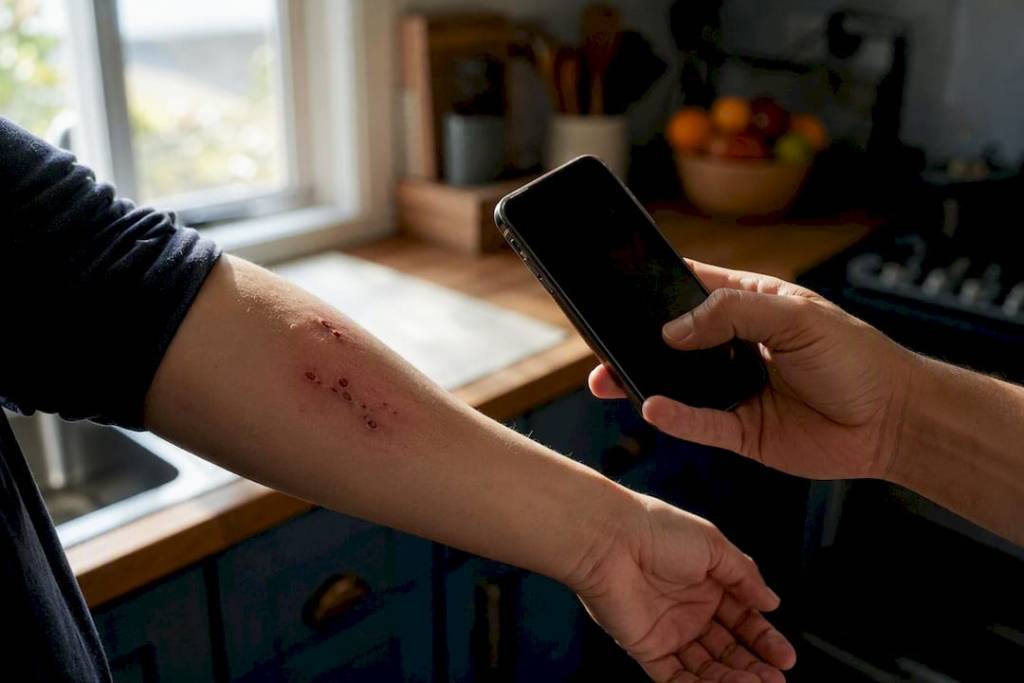
Utah applies strict liability for dog bites: a dog owner or keeper is legally responsible for injuries under Utah Code § 18-1-1, regardless of whether the dog ever bit anyone before. Victims can pursue compensation without proving the owner was negligent or knew the dog was dangerous. Narrow exceptions apply for provocation, trespass, and law-enforcement dogs, so acting quickly on medical care and evidence matters.
TL;DR:
- Victims on public or private property with permission are generally protected under Utah’s strict liability law, but trespassing or improper handling can remove this coverage.
- Owners and law enforcement can defend against claims by proving provocation, trespass, or proper law enforcement use, which judges often interpret from the victim’s actions.
- Damages include both medical costs and pain or emotional suffering, with punitive damages possible if owners knew their dog was dangerous and ignored the risk.
- Filing deadlines vary: victims have four years to sue, but minors and government entities face shorter or different notice periods, emphasizing early documentation.
- Immediate steps after a bite—such as medical treatment, photographing injuries, and gathering owner and witness information—are crucial to strengthen your claim.
Table of Contents
- What Utah’s Dog Bite Law Actually Says
- Exceptions and Defenses Owners Use Against You
- What Compensation Looks Like After a Utah Dog Bite
- How Long You Have to File a Utah Dog Bite Claim
- What to Do Immediately After a Dog Bite in Utah
- How a Utah Dog Bite Claim Actually Moves Forward
- Why Utah Dog Bite Victims Turn to Loayza Law
- An Editorial Take on Utah’s Dog Bite Rules
- Talk to Loayza Law About Your Dog Bite Claim
- Sources
What Utah’s Dog Bite Law Actually Says
Utah Code § 18-1-1 puts the legal burden squarely on the dog’s owner or keeper. If a dog injures someone, the person responsible for that dog is liable for the resulting damages, full stop. You do not have to show the dog had bitten someone before, and you do not have to prove the owner was careless or should have known the dog was dangerous. That is what “strict liability” means in practice: the injury itself, combined with ownership or custody of the dog, is enough to establish the case.
This is a meaningfully different standard than what applies in many other states, where a victim has to prove negligence or show the owner knew (or should have known) about a prior history of aggression. Utah cuts through that fight entirely.
Coverage under the statute depends heavily on where you were when the bite happened. Generally, the law protects you when you’re:
- Lawfully present on public property, like a sidewalk, park, or trail
- Lawfully present on private property, including a neighbor’s yard or a friend’s home, as an invited guest or with permission
- Legally executing your duties, such as a mail carrier, utility worker, or delivery driver
Where you lose that protection is where the exceptions start, and those matter as much as the rule itself.
Exceptions and Defenses Owners Use Against You
Strict liability sounds absolute, but Utah carves out real exceptions that owners and their insurers lean on hard. Understanding them helps you anticipate the fight ahead.
Provocation is the most common defense raised in Utah dog bite cases. Courts often evaluate provocation from the dog’s perspective, not the human’s intent, which means an action that felt harmless to you (stepping too close, reaching toward a food bowl, startling a sleeping dog) can be argued as provocation depending on the circumstances.
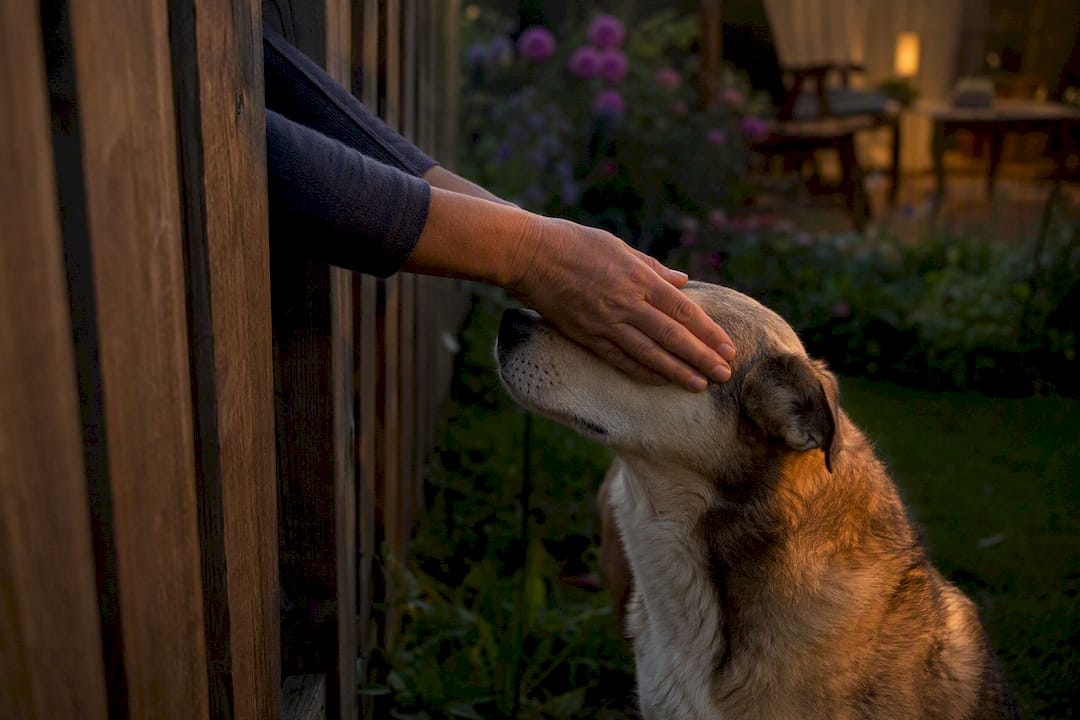
Trespass removes statutory protection in narrow situations, generally when the dog was confined in a fenced enclosure and the injured person entered without permission.
Law enforcement dogs used properly for apprehension or maintaining public order are exempt, and the state, counties, cities, and peace officers are shielded from liability under those conditions.
Pro Tip: Don’t assume a small moment (patting a dog through a fence, moving quickly near a leashed dog) will automatically be labeled provocation. Document exactly what happened while it’s fresh, because how the incident is framed later often decides the outcome.
What Compensation Looks Like After a Utah Dog Bite
Dog bite injuries range from minor punctures to disfiguring wounds requiring reconstructive surgery, and Utah law allows recovery for both the financial hit and the harder-to-quantify toll.
Economic damages typically include:
- Emergency room and hospital bills
- Follow-up care, physical therapy, and future medical treatment
- Lost wages from missed work
- Scar revision or reconstructive surgery costs
Non-economic damages cover pain and suffering, permanent scarring, and emotional distress, including lingering anxiety around dogs after a serious attack. Roughly 4.5 million dog bites occur in the United States annually, and a meaningful share require emergency treatment, so the financial exposure for owners (and their insurers) is often larger than people expect.
Punitive damages become possible when an owner knew the dog was dangerous and disregarded that risk. Most claims are paid through a homeowner’s or renter’s insurance policy, which is part of why documenting the injury properly matters. Insurers rarely pay out generously without a paper trail.
How Long You Have to File a Utah Dog Bite Claim
Utah gives dog bite victims four years from the date of the injury to file a personal injury lawsuit, under Utah Code § 78B-2-307. Miss that window and the courthouse door generally closes, no matter how strong your case would have been.
A few timing details matter beyond the base rule:
- Minors typically have their filing clock tolled until they turn 18, but waiting that long is rarely wise since evidence and witness memory fade fast.
- Government defendants (a city-owned dog, for example) often carry shorter notice deadlines, sometimes just months, separate from the four-year filing window.
- Insurance claims aren’t bound by the same court deadline, but insurers use delay against you, so don’t confuse “I have four years” with “I have no urgency.”
What to Do Immediately After a Dog Bite in Utah
The steps you take in the hours and days after a bite shape both your health outcome and your legal claim. Follow them in order when you can.
- Get medical treatment first. Dog bites carry real infection risk, and a documented ER or urgent care visit creates the medical record your claim will lean on.
- Photograph everything. Capture the wound, the location of the attack, and the dog itself if it’s safe to do so.
- Get the owner’s information. Name, address, phone number, and proof of the dog’s rabies vaccination status.
- Collect witness contacts. Anyone who saw the attack can corroborate what happened, especially if provocation gets raised later.
- Preserve torn or bloodied clothing. Don’t wash it. It can serve as physical evidence.
- Report the bite to animal control or local public health. Many Utah cities require this, and it triggers a rabies/quarantine check on the dog, which protects your health and creates an official record.
Pro Tip: Ask the animal control officer for a copy of the incident report number before you leave. That single detail speeds up your claim significantly later.
How a Utah Dog Bite Claim Actually Moves Forward
Filing a claim follows a familiar civil litigation path: a complaint is filed, the dog owner (or their insurer) answers, both sides exchange evidence through discovery, and the case either settles or proceeds to trial.
Utah’s dog bite statute also includes something not every personal injury claim offers: an arbitration option. After the complaint is filed and answered, either party can elect to move the dispute into arbitration rather than continuing toward trial, which can resolve smaller claims faster than the court calendar allows. Timing rules around that election are strict, and missing the window forfeits the option.
Where an attorney earns their fee is in the details most victims don’t see coming:
- Spotting and countering a provocation defense before it takes hold
- Tracking every deadline, including the arbitration election window
- Negotiating directly with the homeowner’s insurance adjuster, who represents the owner’s interests, not yours
- Valuing future medical needs accurately instead of accepting an early lowball offer
Why Utah Dog Bite Victims Turn to Loayza Law
Loayza Law has resolved more than 1,200 cases for over 1,300 clients across Utah, building the kind of case experience that matters when an insurer is looking for any excuse to deny a strict-liability claim. Our personal injury team handles dog bite cases on a contingency basis, meaning you owe nothing upfront and nothing at all unless we recover compensation for you.
We know Utah’s exceptions and defenses because we’ve litigated against them, not just read about them. Whether provocation gets raised, whether a government-owned dog is involved, or whether arbitration makes sense for your case, we walk you through the decision instead of leaving you guessing.
An Editorial Take on Utah’s Dog Bite Rules
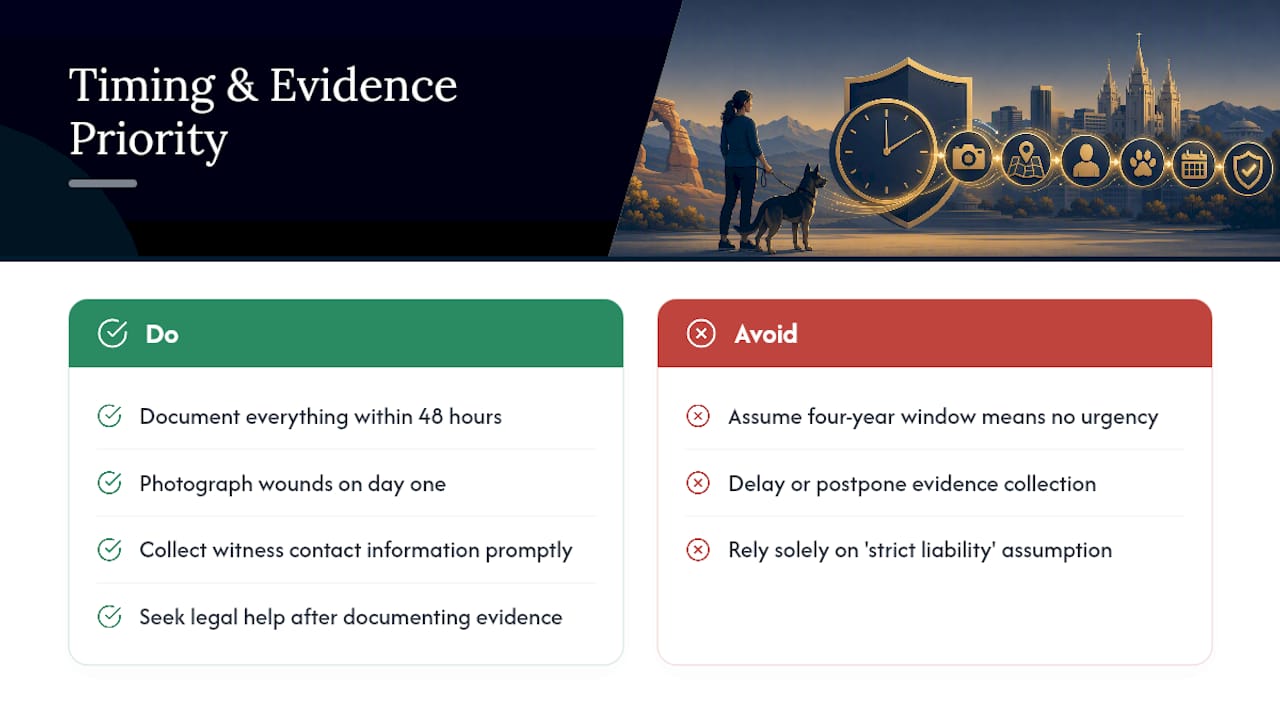
The conventional advice on dog bite cases treats strict liability as a guarantee: get bitten, get paid. That’s misleading, and it does victims a disservice. Utah’s statute removes the negligence hurdle, but it replaces it with a different fight, one over provocation, trespass, and fault percentages. The research here supports a blunter read: the law favors you on paper, but insurers still investigate every claim looking for a reason to shrink or deny it.
What gets overlooked most often is timing. People assume a four-year window means no urgency, but memories fade, witnesses move, and wound photos taken on day one carry far more weight than a description written six months later. The single highest-leverage move a victim can make isn’t hiring a lawyer immediately. It’s documenting everything in the first 48 hours, because that evidence shapes every negotiation that follows. Legal help matters most after that foundation is already in place.
— Paralegal
Talk to Loayza Law About Your Dog Bite Claim
If you or someone in your family was bitten, you don’t have to sort through Utah’s strict liability rules, provocation defenses, and arbitration timing alone. Loayza Law’s personal injury attorneys handle dog bite claims on contingency, so there’s no upfront cost and no fee unless we win your case.

Before your consultation, gather what you can: medical records or discharge paperwork, photos of the injury and the scene, the dog owner’s contact information, and names or numbers for any witnesses. Even if you’re missing pieces, we can help track them down. Our contingency fee approach means you focus on healing while we handle the insurance company. Call Loayza Law today to schedule your free case review and find out exactly where you stand.
This article is general information, not a substitute for advice from a qualified lawyer. Consult a qualified legal professional about your own circumstances before acting on anything here.
Sources
- UT – Dog Bite – Title 18. Dogs. Chapter 1. Injuries by Dogs. | Animal Legal & Historical Center
- Utah Code § 18-1-1 – Liability of owners – Scienter – Dogs used in law enforcement
- Utah Dog Bite Law – FindLaw
- Title 18 – Dogs :: Utah Code (Justia)